The 15-Second Kingmakers: How TikTok Sounds Became the Most Powerful Force in the Music Industry
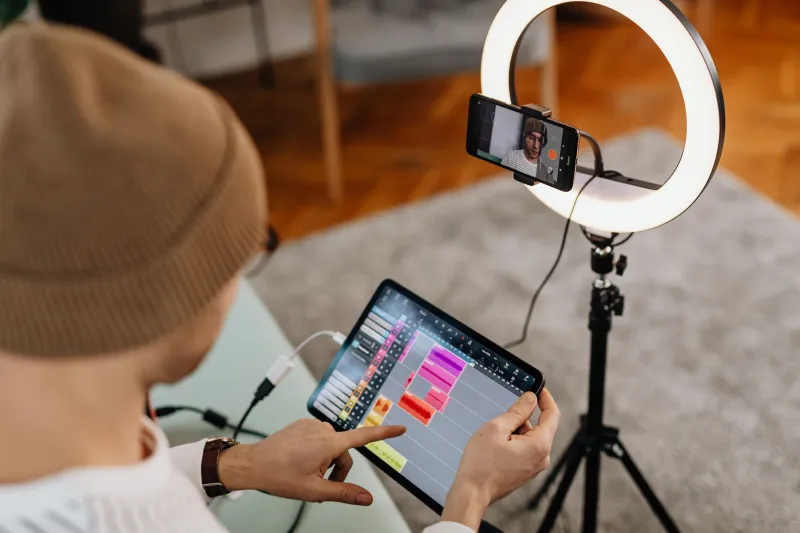
Somewhere in a major label's A&R department right now, someone is opening TikTok and pretending they discovered something. They didn't. The algorithm already did it for them. The song has 800,000 videos. The artist has 2.3 million followers they didn't have six months ago. The label is late, and everyone in the room knows it.
This is the new normal in American music. The path from unknown bedroom producer to Billboard chart presence no longer runs through the traditional gatekeepers — the scouts, the radio programmers, the Spotify editorial playlist curators who used to hold careers in their hands. It runs through a 15-second audio clip on TikTok that catches at exactly the right moment and spreads like something in the water.
How the Sound Economy Actually Works
Most people understand that TikTok has been good for music discovery in a general sense. What fewer people understand is the specific mechanism — and it's more precise than just "songs go viral."
When a piece of audio gets attached to a trending video format, something algorithmic happens that's almost impossible to manufacture deliberately. The sound gets used in more videos. Those videos reach more people. Those people hear the song fragment — often the same four bars, over and over — until it's lodged somewhere in their brain that they can't quite access consciously. Then they hear the full song on Spotify or the radio and feel an immediate, inexplicable emotional connection to something they've technically never heard before.
That's not an accident. That's audio conditioning at scale, and it happens across millions of users simultaneously. The number of exposures required to create that kind of brand recognition used to cost a major label an enormous radio promotion budget. Now it can happen organically, for free, if the right moment catches.
The Artists Who Cracked the Code
Look at the breakout stories of the last two years and the pattern is consistent. Artists like Nicky Youre, whose "Sunroof" became inescapable through TikTok before it hit pop radio, or Gayle, whose "abcdefu" went from platform novelty to genuine crossover hit — these aren't stories about label machinery. They're stories about a sound finding its moment on a platform and the artist being ready when it did.
What's interesting is how different the TikTok path looks from the traditional one. A label-developed artist gets radio pushes, playlist placement, coordinated press rollouts. A TikTok-native artist often blows up before any of that infrastructure is in place, which means they're negotiating record deals from a position of actual leverage rather than desperation. The power dynamic has genuinely shifted.
Some artists are now deliberately engineering sounds for TikTok virality — writing songs with a specific 15-second hook in mind, releasing snippets before full tracks, building communities around the audio before the actual release. It's a new kind of pre-marketing that the old industry never had a name for.
What the Labels Are Doing About It (And Why It's Complicated)
The major labels have not been sitting still. They've built internal TikTok monitoring operations that track emerging sounds in real time. They've signed artists within weeks of viral moments. They've hired people whose entire job is to understand the platform's content ecosystem well enough to spot the next wave before it crests.
But here's where it gets complicated: you can identify a TikTok-native artist and sign them, but you can't necessarily replicate what made them blow up in the first place. The authenticity of the original moment — the organic spread, the genuine community response — is often exactly what gets lost when the label machinery kicks in.
There's a reason why a distressing number of artists who blow up on TikTok have disappointing debut album cycles. The platform rewards a specific kind of content — short, hooky, emotionally immediate — that doesn't always translate to the sustained artistic statement that a full album requires. The 15-second kingmakers can make you famous, but they can't necessarily make you an artist in the traditional sense.
The Death (Maybe) of the Deep Album Cut
This is worth sitting with for a second, because it has real implications for music culture. The album-oriented listening experience — where track three is a slow burn that doesn't hit until you've heard it four times, where the sequencing tells a story — is fundamentally incompatible with the TikTok discovery model.
If your music career depends on a viral sound, your incentive is to front-load every song with the most immediately grabbable moment you can construct. The patient, layered artistic development that characterized the careers of artists who built over multiple albums is a much harder sell in a world where your first 15 seconds determine everything.
Some artists are pushing back against this. There's a small but vocal contingent of musicians who are deliberately avoiding TikTok optimization, building audiences more slowly through live performance, longform content, and the kind of word-of-mouth that takes years rather than weeks. Whether that approach can sustain a viable career in the current landscape is genuinely unclear.
The Next Evolution Is Already Happening
Here's the thing about the TikTok sound economy: it's already mutating. As the platform matures and users become more sophisticated about what organic virality looks like versus manufactured virality, the same tricks that worked in 2021 are starting to feel stale. Audiences are getting better at detecting when a TikTok rollout feels engineered versus genuine.
The next wave of music discovery is probably going to involve a combination of platforms — TikTok for initial exposure, but YouTube, Instagram Reels, and even Discord communities for the deeper engagement that turns a viral moment into an actual fanbase. Artists who understand how to move someone from a 15-second clip to a genuine listener relationship are the ones who'll have staying power.
The gatekeepers haven't disappeared. They've just gotten younger, faster, and a lot harder to predict. And somewhere right now, an artist nobody has heard of yet is sitting on a sound that's about to change everything — and they have absolutely no idea.