Comeback Season: We Ran the Numbers on Which Stars Actually Pulled It Off
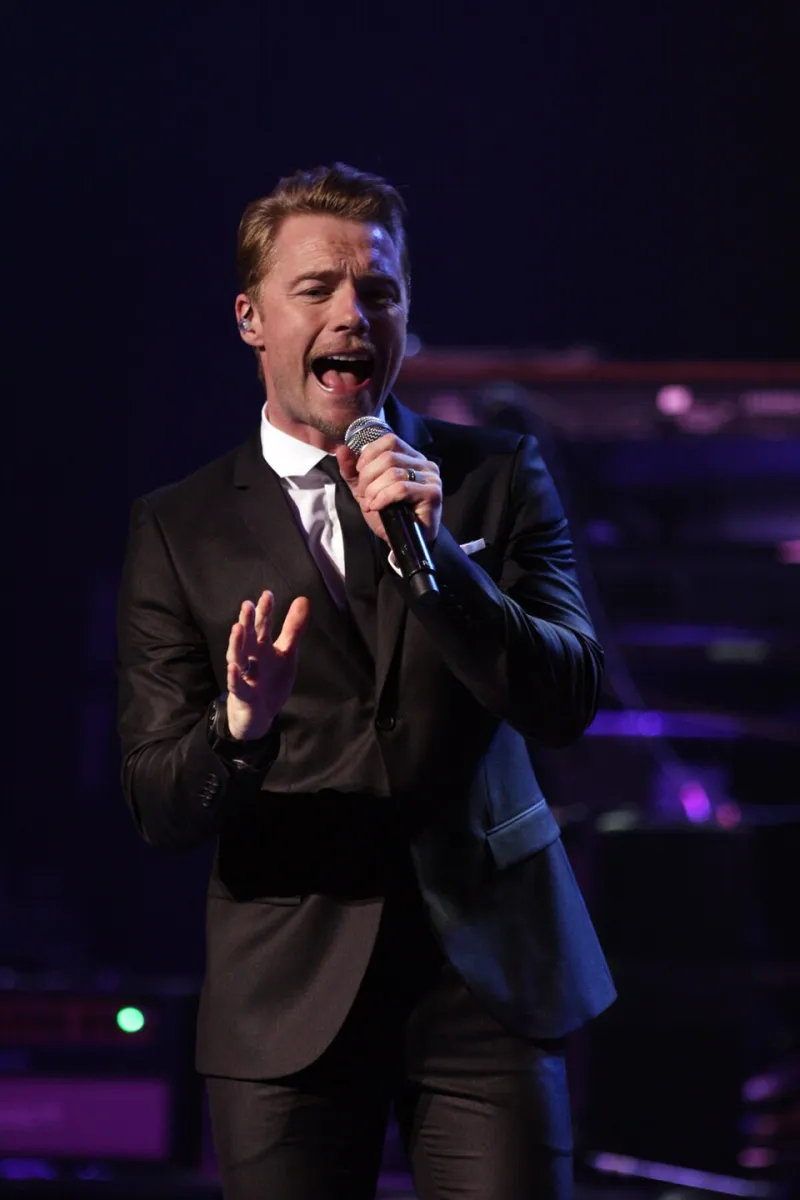
Photo: Eva Rinaldi, CC BY-SA 2.0, via Wikimedia Commons
In entertainment, few things generate more buzz than a good comeback story. The fallen idol who rises again. The one-hit wonder who suddenly isn't. The actor who disappeared for five years and comes back with the role of their career. We love these stories because they feel like proof that second acts are real.
But not all comebacks are built the same. Some are genuinely earned. Others are carefully engineered PR campaigns that look like organic resurgences. And a few are just... painful to watch.
At 77 Buzz, we decided to stop relying on vibes and actually look at what the numbers say. Streaming figures, chart performance, social media growth, search volume spikes — the data tells a story, and it's a lot more honest than the press releases.
Here's how we're grading recent high-profile returns to relevance.
Tier One: The Real Deal
Taylor Swift — Ongoing, Undeniable, Almost Unfair
Let's get the obvious one out of the way. Swift's trajectory since 2022 isn't really a comeback — it's more like a sustained takeover that keeps finding new gear. But if we're measuring the re-entry specifically, the numbers from the Eras Tour and the rerecording project are staggering enough to deserve their own category.
The Eras Tour became the first concert tour to gross over a billion dollars. The re-recorded albums didn't just match the originals in streaming — several of them outperformed the originals within weeks of release, which is something that basically no industry analyst predicted. Search volume for her name hit peaks during the NFL season that rivaled major sporting events.
Grade: 10/10. Not a comeback. A redefinition.
Olivia Rodrigo — Sophomore Proof
After SOUR made her a household name, the pressure on GUTS was immense. Sophomore slumps are real, and the internet was watching. The album debuted at No. 1, the tour sold out in minutes, and "vampire" spent weeks at the top of the Hot 100. More importantly, her streaming numbers didn't drop — they grew, which is the actual test of whether debut success was a fluke.
Grade: 9/10. Technically not a comeback, but a successful defense of relevance, which is harder than it sounds.
Tier Two: Solid Effort, Strong Results
Ricky Martin — Steady and Underrated
After a genuinely difficult public period, Martin's return to touring and recording has been quieter than his peak years but more durable than critics expected. His streaming numbers on legacy catalog have actually climbed — driven partly by nostalgia cycles on TikTok — and his live shows have been consistently selling well in major markets. Not a tabloid-ready triumphant moment, but a real, sustained return.
Grade: 7.5/10. The numbers are there even if the headlines aren't screaming about it.
Jennifer Lopez — This Is Me... Now Era
The album tied to her documentary had mixed commercial results — streaming numbers were modest compared to her peak — but the cultural conversation it generated was substantial. Search volume spiked significantly around the release, the documentary drove Netflix engagement, and her social media growth during the campaign was notable. The numbers suggest the project connected emotionally even if it didn't dominate the charts.
Grade: 6.5/10. Stronger culturally than commercially, but culture has value too.
Tier Three: The Complicated Ones
Britney Spears — A Different Kind of Return
Britney's story doesn't fit neatly into a comeback framework, and honestly, trying to score it that way feels reductive. Her memoir became a bestseller, generating enormous search volume and social engagement. But her music career hasn't relaunched in a traditional sense, and the public conversation around her has been more about advocacy and awareness than entertainment metrics.
Grade: Incomplete. The numbers exist, but they're measuring something different than a standard comeback.
MC Hammer — The Crypto Pivot
This one's more cautionary tale than comeback. Attempts to leverage nostalgia through tech ventures and brand partnerships generated some initial press, but the engagement metrics told a different story. Viral moments were sporadic rather than sustained, and the underlying streaming numbers for his catalog didn't see the kind of bump that usually accompanies a successful return.
Grade: 4/10. Nostalgia alone isn't a strategy.
Tier Four: The Swing and a Miss
We're not here to pile on specific individuals, but the pattern for unsuccessful comebacks is consistent enough to describe without naming names: a press blitz that generates initial coverage, a debut week that looks promising, and then a sharp drop-off in streaming and engagement within two to three weeks. The algorithm amplifies the launch, then moves on, and without a genuine fanbase to sustain momentum, the numbers crater.
The tell-tale sign? When an artist's Google search volume spikes for their comeback announcement and then immediately returns to baseline. That means people were curious, not invested.
Grade for the category: 2/10. You know who you are.
What the Numbers Actually Teach Us
Looking across all of these cases, a few patterns emerge pretty clearly.
First, comebacks that are rooted in authentic storytelling — where the artist has something real to say, not just something to sell — consistently outperform the purely commercial relaunches. The data reflects audience emotional investment, and audiences can tell the difference.
Second, streaming catalog performance is a better long-term indicator than first-week numbers. Anyone can manufacture a debut spike. Sustaining it requires genuine connection.
And third — maybe most importantly — the best comebacks don't actually feel like comebacks. They feel like continuations. The artists who pull it off most convincingly are the ones who make you feel like they never really left.
The numbers, as always, don't lie. They just require a little translation.