Angel Numbers Are Having a Moment — And They're Reshaping How We Do Pop Culture

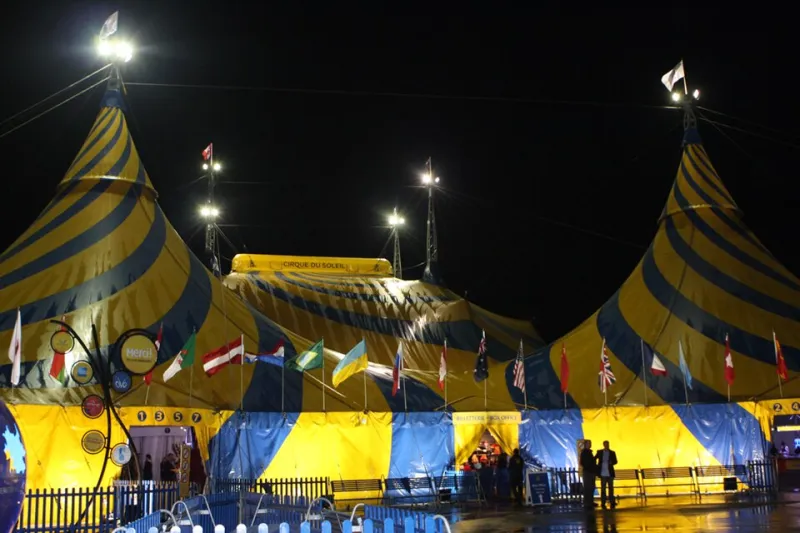
Photo: Alan Stanton, CC BY-SA 2.0, via Wikimedia Commons
If you've been scrolling through TikTok lately and noticed an unusual number of videos about "777 energy" or people losing their minds over seeing 11:11 on a clock, you're not imagining things. Numerology — once the kind of thing your aunt brought up at Thanksgiving after her third glass of wine — has gone full mainstream. And honestly? It's changing the way entertainment works in ways that feel genuinely surprising.
Welcome to the era of the lucky number aesthetic. Here at 77 Buzz, we live for the intersection of numbers and culture (our name isn't an accident, after all), so we had to dig into why repeating digits are suddenly the hottest thing in pop culture.
The TikTok Pipeline: How 777 Became a Vibe
It started, like most cultural shifts do these days, on TikTok. Creators began posting "angel number" content — short, punchy videos explaining what it means when you see 333 on a license plate or 444 pop up on your phone three times in one day. The engagement was wild. Videos tagged with #angelnumbers have racked up billions of combined views, and the algorithm kept feeding the beast.
But here's the twist: it didn't stay contained to spiritual or wellness corners of the app. The number aesthetic bled into fashion hauls, music reactions, and even food content. Suddenly, a creator would post a "777 outfit" — all purples and golds, dripping in good-luck symbolism — and the comments would erupt. People weren't just engaging with the spiritual meaning; they were treating numbers as a full-on aesthetic language.
The number 88 has its own lane, particularly in streetwear and hip-hop culture, where it's been associated with abundance and prosperity for years. You'll spot it on hoodies, sneaker colorways, and album artwork. It's no coincidence that several artists have quietly been working the number into their rollouts.
Celebrities Are Playing the Numbers Game — Literally
Here's where it gets genuinely fascinating. A growing list of celebrities have been strategic — or at least publicly superstitious — about how numbers factor into their releases and major life moments.
Taylor Swift is arguably the queen of this phenomenon. Her well-documented obsession with the number 13 has been fan lore for years, but the way she's woven it into her Eras Tour staging, ticket drops, and even merch drops has inspired a new generation of fans to track numeric patterns in their own favorite artists' careers. Swifties have essentially become amateur numerologists at this point, and they are good at it.
Beyoncé dropped "Renaissance" with a level of date-and-timing intentionality that had fans cross-referencing everything from release timestamps to track lengths. Whether it's intentional or not almost doesn't matter — the cultural conversation around it is very real.
Even in the K-pop world, which has a massive and growing US fanbase, the number 8 carries enormous weight. Multiple groups have scheduled US tour announcements and album drops around dates that stack eights, and the fandoms absolutely notice.
Fashion's Numeric Obsession
Walk into any Urban Outfitters or scroll through ASOS right now and you'll see it: number-printed tees, lucky digit jewelry, and accessories that lean hard into the "coded meaning" aesthetic. The jewelry market in particular has exploded with angel number necklaces and bracelets — pieces engraved with 111, 222, 333, or 777 that wearers use as personal talismans.
Designers have caught on too. Several indie brands built entirely around numerology concepts have found serious traction with the 18-to-34 demographic. It's not just about looking cool; buyers are genuinely choosing pieces based on what number resonates with where they are in life. Someone going through a big transition might gravitate toward 555 (change, movement). Someone seeking stability might rock 444 (grounded energy, protection).
The luxury market isn't immune either. Limited-edition drops numbered 77/777 or 88/888 sell out faster than their non-numerically significant counterparts. Scarcity plus symbolism is a powerful combo.
Why Gen Z and Millennials Are Actually Into This
Let's be real for a second: the rise of numerology in pop culture isn't happening in a vacuum. Both Gen Z and millennials have been navigating a world that feels, to put it gently, chaotic. Economic uncertainty, social media overload, a general sense that traditional institutions have let people down — it's a lot. Spiritual practices that offer a sense of pattern, meaning, and personal agency are filling a real gap.
Numerology specifically appeals because it's low-commitment and highly personal. You don't need to join anything, subscribe to a specific belief system, or explain yourself to anyone. You see 777, you feel a little buzz of good energy, you move on with your day. It's spirituality as a vibe rather than a doctrine.
There's also a strong self-expression angle. Telling someone your "lucky number" or your "angel number sequence" has become a shorthand for personality — like a zodiac sign but with a more DIY quality. You get to decide what your numbers mean to you, and that kind of personal ownership resonates hard with younger audiences who are generally skeptical of top-down cultural messaging.
Music Releases and the Strategic Number Drop
The music industry has taken note in a big way. Release dates are no longer chosen purely based on chart strategy and retail cycles. Managers and label teams are increasingly factoring in numerological significance — or at minimum, they're aware that fans will factor it in and plan their engagement accordingly.
Dropping a single on 8/8, 7/7, or on a date that reduces to a significant number (hello, life path number stans) generates organic conversation that no marketing budget can fully replicate. The fan communities do the amplification work themselves, spreading the news through their numerology-adjacent networks before the official promo even kicks in.
Streaming platforms have also picked up on this. Spotify and Apple Music playlist curators have started building themed collections around lucky number energy, full-moon vibes, and "alignment" aesthetics — all of which tie back to this broader numerological moment in culture.
The Bottom Line: Numbers Are the New Astrology
A decade ago, "what's your sign?" was the ultimate cultural icebreaker. Today, it's just as likely to be "what's your angel number?" or "are you a life path 7?" The shift from astrology to numerology isn't a replacement — plenty of people are doing both — but it signals an expansion of how Americans are using symbolic systems to understand themselves and connect with others.
For pop culture, this means numbers are no longer just numbers. They're marketing tools, aesthetic choices, spiritual signals, and community identifiers all rolled into one. And given that 77 Buzz is literally built on the energy of a number, we're here for every single digit of it.
Keep your eyes open. The next time your favorite artist announces something on a date that feels a little too perfectly timed, or a brand drops a limited run of exactly 777 units — now you'll know exactly what's going on.