Watching on Your Own Terms: How the Strategic Pause Became the New Power Move in Streaming

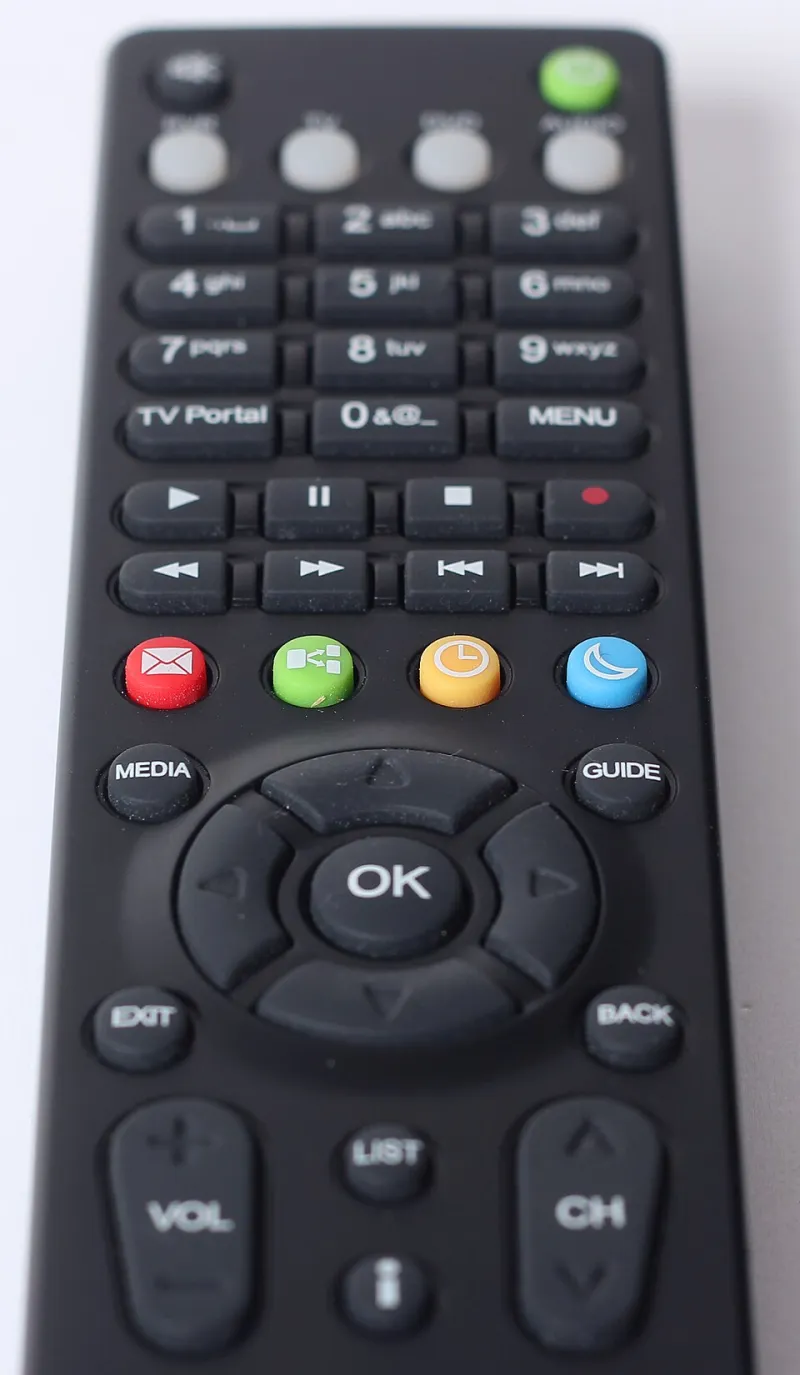
Photo: Joselodos, CC0, via Wikimedia Commons
There's a certain kind of person who finishes an entire season of television in one weekend and immediately announces it to the group chat. We all know one. Maybe you are one. But something quietly shifted in the last couple of years, and the binge-and-done crowd is starting to look a little... old-fashioned.
A growing number of viewers are doing something that looks, on the surface, like quitting — but isn't. They're stopping mid-season on purpose. Spacing episodes out like chapters of a good book. Rewatching old favorites instead of pushing forward. And here's the wild part: the streaming platforms are not only aware of this behavior, they're actively designing around it.
Welcome to the binge-pause era, where stopping is the new watching.
The Numbers Behind the Pause
Let's talk data for a second, because this is 77 Buzz and we don't just vibe — we verify. Internal research from multiple major streaming services has started surfacing a counterintuitive pattern: shows that generate mid-season pauses often outperform full-binge completions in long-term subscriber retention. In other words, the viewer who stops at episode five and comes back three weeks later is more valuable than the one who burns through all ten episodes in 48 hours and immediately cancels.
Why? Because the pauser is still thinking about the show. They're talking about it. They're Googling theories, reading Reddit threads, texting friends. The show is living rent-free in their head in a way that a completed binge almost never does.
Streaming analytics teams have a term floating around internally for this: "productive abandonment." It sounds like a contradiction, but the logic tracks. A show that gets fully watched and forgotten is less sticky than one that gets half-watched and obsessed over.
Content Fatigue Is Very Real — And Very Measurable
Here's the uncomfortable truth that nobody in Hollywood wants to say out loud: there is too much good TV. Like, genuinely too much. The average American has access to somewhere between 400 and 500 scripted series at any given moment across all their streaming subscriptions. That's not a content library — that's a content avalanche.
When everything is available all at once, the psychological effect is paralysis, not pleasure. Researchers call it "decision fatigue," and it hits hard in the streaming context. You've probably experienced it — spending 25 minutes scrolling through options only to rewatch The Office for the fourth time. That's not laziness. That's your brain protecting itself from an overwhelming number of choices.
The strategic pause is, in part, a coping mechanism. Viewers are rationing their engagement the same way you might savor a really good meal instead of inhaling it. It's a form of self-regulation that turns passive consumption into something that actually feels satisfying.
How Showrunners Are Building the Pause Into the Design
This is where things get genuinely fascinating. The most forward-thinking writers' rooms in the industry are now treating mid-season pauses not as a failure point but as a creative opportunity. Instead of building episodes that compel you to hit "next episode" immediately, some shows are deliberately engineering what you might call "breathing room" — moments of reflection, slower pacing, or unresolved emotional threads that reward sitting with the story rather than racing through it.
Think about how Slow Horses on Apple TV+ drops its episodes. Or how certain prestige dramas on HBO deliberately withhold resolution in ways that make you want to sit with the discomfort for a few days before moving on. These aren't accidents. They're architectural decisions made with the knowledge that a viewer who pauses and reflects is a viewer who stays subscribed.
Netflix, for its part, has been experimenting with episode length in ways that subtly encourage natural stopping points. Amazon Prime Video has leaned into serialized storytelling structures that feel less like a continuous stream and more like distinct chapters. The message, whether stated explicitly or not, is: it's okay to stop here.
The Rewatch Economy Is Booming
Another dimension of this whole thing that doesn't get nearly enough attention is the rewatch. Rewatching a show instead of finishing a new one used to be considered a guilty indulgence. Now it's basically a lifestyle.
Rewatching is comfort. It's predictability in an unpredictable world. And from a platform perspective, a rewatch is nearly as valuable as a first-time view — it keeps the subscriber engaged, it keeps the show in cultural conversation, and it signals to the algorithm that the content has lasting appeal rather than just opening-weekend spike energy.
Shows like Gilmore Girls, New Girl, and Abbott Elementary have built genuine second-life audiences entirely through the rewatch economy. People who finished these shows years ago are cycling back through them, sometimes simultaneously watching new episodes alongside old ones. That's a level of audience loyalty that no amount of marketing spend can manufacture.
What This Means for How You Watch
If you've ever felt guilty about stopping a show halfway through, or taking a week off between episodes, or going back to something you've already seen — stop. You're not behind. You're not failing at entertainment. You're actually engaging with content in a way that's increasingly sophisticated and, frankly, healthier.
The binge model was always a little bit of a trap. The "just one more episode" pull is real, but so is the hollow feeling of finishing a ten-episode season in a single sitting and realizing you can barely remember what happened in episode three. Speed isn't the same as depth.
The pause gives you back the experience of anticipation — something that weekly release schedules used to provide by default. When you choose to wait, you choose to want. And wanting, it turns out, is a huge part of what makes entertainment actually entertaining.
The Bigger Picture
Streaming platforms spent the better part of a decade training audiences to binge. Now the most interesting development in the industry is watching those same platforms quietly course-correct, building shows and release strategies that account for — and even celebrate — the viewer who takes their time.
The pause button isn't a white flag. It's a statement. It says: I'm not finished with this, and this isn't finished with me. In an era of infinite content and finite attention, that might be the most powerful position a viewer can hold.
So next time you stop mid-season and let a show marinate for a week or two, know that you're not falling behind. You're playing a longer game — and right now, the longer game is winning.