Gone in 48 Hours: How Entertainment Giants Are Weaponizing Tiny Release Windows to Own Your Attention

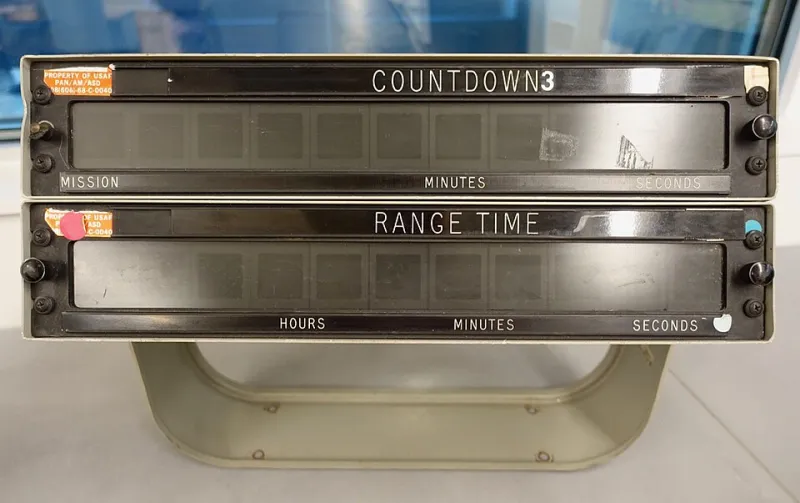
Photo: Arjan Richter, CC BY 2.0, via Wikimedia Commons
Remember when Tuesday was new music day? Or when you'd clear your Thursday night schedule because your favorite show dropped a new episode like clockwork? That era isn't just fading — it's basically over. The entertainment industry has quietly flipped the script, and the new playbook runs on a very different clock. We're talking 48 hours. Sometimes less.
Major platforms, labels, and studios are ditching the predictable weekly cadence and replacing it with what insiders are calling strategic drops — tightly compressed release windows designed to create maximum noise in minimum time. And once you understand the math behind it, you'll never look at a release date the same way again.
What Changed, and Why It Happened Fast
The shift didn't happen overnight, but it accelerated sharply as streaming data got more sophisticated. Platforms like Netflix, Spotify, and Amazon Prime started noticing something interesting: the first 48 hours after a release generate a wildly disproportionate share of total engagement. We're talking about social posts, search spikes, playlist adds, review aggregations — all of it front-loads into that tiny window.
Once the algorithms confirmed what the data was whispering, the math became impossible to ignore. If 60 to 70 percent of your cultural moment lives in the first two days, why spread your promotional energy across seven? The weekly model, which was built around linear TV schedules and physical retail drops, suddenly looked like a relic from a completely different industry.
So companies started compressing. Not randomly — strategically. Every drop is now engineered around a specific two-day window, with metrics teams watching engagement signals in real time to decide what gets amplified, what gets buried, and what gets a sequel.
The Metrics That Matter Most in Those Critical Hours
Here's where it gets genuinely fascinating. When a major platform drops something — a new album, a full season, a film exclusive — the internal dashboards light up with a very specific set of signals. Social share velocity is tracked almost by the minute. Search volume spikes are monitored across Google Trends and platform-specific discovery tools. On streaming services, completion rates within the first 24 hours are treated like a near-sacred data point.
For music specifically, Spotify's first-day playlist placement decisions are now so consequential that labels build entire release strategies around gaming that initial algorithmic read. If a track doesn't hit certain streaming thresholds in the first 48 hours, it risks getting deprioritized before most casual listeners ever stumble across it organically.
Film studios operating in the streaming space are running similar playbooks. A movie that doesn't generate enough first-weekend watch time on a platform can quietly disappear from the homepage recommendation engine within days — essentially becoming invisible to the audience it was made for.
How This Is Changing What You Actually Watch and When
For regular viewers and listeners, the 48-hour model creates a weird kind of urgency that didn't really exist before. You've probably felt it — that nagging sense that if you don't watch something this weekend, the conversation will have moved on by Monday. That feeling isn't accidental. It's engineered.
Entertainment brands have figured out that FOMO is a more powerful motivator than loyalty. The weekly episode model built habit and routine. The 48-hour drop model builds anxiety and immediacy. One keeps you coming back steadily. The other makes you sprint.
The downstream effect on how Americans consume content has been significant. Binge-watching, which Netflix popularized by dropping full seasons at once, is evolving into something more like event consumption — a concentrated burst of engagement that mirrors the way we experience live sports or award shows. You show up, you go hard, you talk about it, and then the window closes.
The Brands Doing This Best Right Now
A few players are executing the 48-hour strategy better than anyone else in the game right now. Beyoncé's team has basically turned surprise drops into an art form — the visual album rollout model she pioneered created a template that dozens of major artists have tried to replicate with varying degrees of success. The key ingredient isn't just the surprise; it's the compressed, all-at-once delivery that forces the cultural conversation to happen immediately.
On the TV side, HBO (and its streaming arm Max) has experimented with releasing two or three episodes simultaneously at launch rather than one, essentially creating a micro-binge window that generates enough material for deep fan discussion without giving away the entire season. It's a calculated middle ground between the old weekly model and the full-season dump.
Apple TV+ has been particularly aggressive about engineering its 48-hour moments around awards season timing, dropping prestige content in windows specifically calibrated to dominate the cultural conversation right before Emmy and Oscar eligibility deadlines. It's release scheduling as a competitive sport.
The Downside Nobody's Really Talking About
For all its efficiency, the 48-hour model has a real dark side that's worth acknowledging. Content that doesn't win the first two days doesn't just underperform — it often disappears entirely from the cultural radar, regardless of its actual quality. Slow-burn projects that might have built devoted audiences over weeks under the old model now get algorithmed out of existence before word-of-mouth has a chance to do its job.
There's also a creator fatigue angle here. When the release window is that compressed, the promotional sprint required from artists, actors, and showrunners is absolutely brutal. You're doing every interview, every social post, every press appearance in a 48-hour window because that's the only time anyone is paying attention. It's a grind that's starting to show cracks, with more creators publicly pushing back on the intensity of modern release cycles.
And for audiences? The constant urgency is exhausting in its own way. When everything is a must-see-right-now event, nothing really feels special. The scarcity that made weekly appointment TV feel meaningful is being replaced by a different kind of scarcity — one measured in hours instead of days.
So Where Does This Go?
The 48-hour model isn't going away — if anything, the data will probably push it toward even tighter windows as platforms get better at measuring real-time engagement. But there are signs that some corners of the industry are starting to experiment with hybrid approaches, using the compressed drop to create the initial buzz spike and then deploying follow-up content strategically over the next few weeks to sustain momentum.
What's clear is that the old weekly calendar is never coming back in its original form. The entertainment industry has discovered that time itself is a release strategy, and two days turns out to be plenty. Whether that's good or bad for the culture probably depends on which side of the algorithm you end up on.